

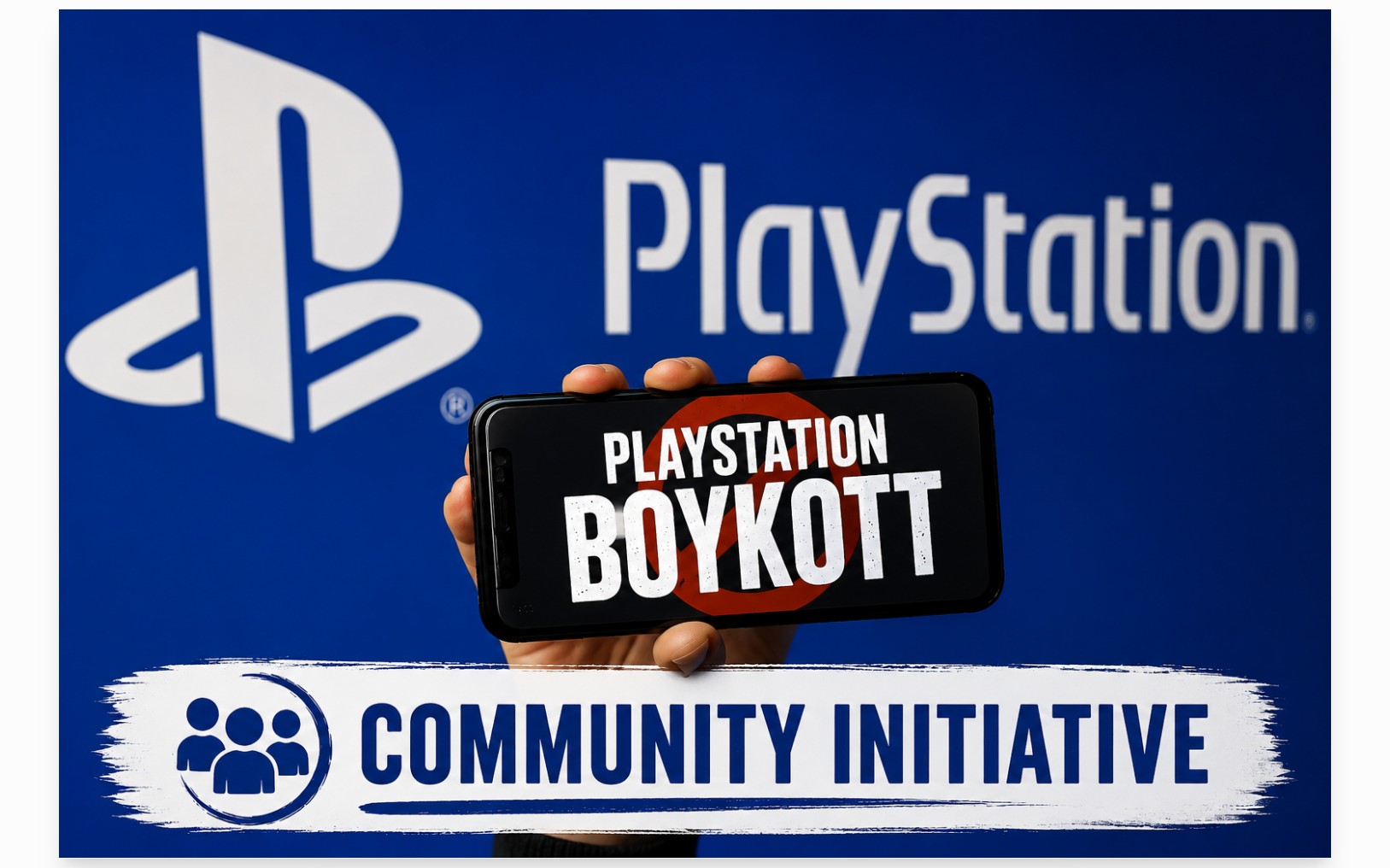
The major PlayStation boycott at the end of August aimed to hit Sony where it hurts: active gamers. Participants were asked to leave their consoles off for several days and avoid spending in the PlayStation Store. Now, for the first time, there is more reliable data on part of the campaign. In the U.S., the results are clear.
According to market research firm Circana, the so-called PlayStation Blackout did not cause a significant change in player numbers or engagement. That finally gives us a concrete answer to a question we’ve had since the protest week ended: Did Sony even notice the boycott? Apparently not, at least when it comes to PlayStation platform usage.
Circana did not detect any noticeable decline
The new assessment comes from Mat Piscatella, Executive Director and Analyst at Circana. On September 14, Piscatella published the latest data from the Circana Player Engagement Tracker. When asked directly whether the tracker had observed any changes during the PlayStation Blackout that could be attributed to the protest, his answer was unusually clear.
Das könnte dich auch interessieren



There was no significant change in player numbers or engagement in the collected data. Circana monitors the use of various gaming platforms and regularly publishes rankings of active players in the U.S. This statement therefore provides significantly more substance than likes, shared posts, or surveys on social media.
One important caveat remains: the data covers only the U.S., so it cannot show whether measurable changes occurred in Europe or other regions.
This is precisely the figure that has been missing since the boycott began
On PlayStationInfo.de, we covered the campaign extensively during and immediately after the protest. The original PlayStation Blackout ran from August 23 to August 30, 2026. Participants were asked to avoid using their consoles, logging into the PlayStation Network, or making purchases on Sony’s digital platform during that period.
The protest was triggered by growing criticism of Sony’s future strategy regarding physical games. When the originally scheduled protest period ended, however, it was difficult to make a reliable assessment. There was no official participant count, and reactions on X, Reddit, or other social networks did not indicate how many people had actually turned off their PlayStations.
That is precisely why we noted in our previous assessment that the most important figure was missing. Now, at least for the U.S. market, there is a much clearer answer. If Circana did not detect a significant decline in players or engagement during the protest week, there is strong evidence that the blackout did not reach enough active PlayStation users to have a measurable effect on platform usage.
Social media reach doesn’t equal participation.
The result also exposes a common issue with online protest campaigns. The PlayStation Blackout drew considerable attention before it began. Posts were viewed, shared, and commented on hundreds of thousands of times. Many players also agree with the underlying criticism about the potential decline of physical games. But attention is not the same as participation.
A gamer can back a post calling for physical games and still fire up their PlayStation that night. Sharing a hashtag doesn’t guarantee a week away from the console or the PlayStation Store. The Circana data now suggests that this gap was wider than some supporters anticipated.
An early September analysis by Cyabra also questioned the campaign’s online reach, finding that some discussion around the blackout was amplified by inauthentic accounts. That doesn’t mean the criticism of Sony’s strategy is fake, but it underscores the limited insight social media metrics provide into real user behavior.
Does that automatically mean the entire protest has failed?
The new statement cannot be interpreted quite so simply. Piscatella’s assessment explicitly refers to player numbers and engagement within the U.S. data tracked by Circana. However, the original protest did not merely call on participants to turn off their consoles. Supporters were also urged to refrain from purchasing digital games or other content as much as possible during this period.
The data does not reveal whether the campaign affected sales in the PlayStation Store, nor can long-term effects on PlayStation’s reputation or the debate about physical games be measured by usage figures alone. Therefore, it would be an overgeneralization to claim the protest had no effect at all.
What is now clearer, however, is that the protest’s most visible goal—getting enough players offline simultaneously to show up in the usage data—was not met, according to the available U.S. figures.
The organizers still plan to continue
The movement has not fizzled out. The PSBlackout team now says the campaign will continue indefinitely on a voluntary basis, still pushing for physical games, long-term ownership, and consumer choice between digital and physical releases.
This shift changes the campaign’s nature. What started as a focused one-week blackout is now a longer-term protest. Whether the movement can influence Sony’s decisions remains to be seen, and so far Sony has not announced any major policy change in response to the boycott.
For the original PlayStation Blackout, which ran from August 23 to 30, Circana now offers the first clear interim assessment: despite extensive social-media discussion, it found no significant drop in U.S. player numbers or engagement. Let us know your thoughts in the comments.